
How Accurate Testing With Modern Tools Leads to Better System Performance
Heating and cooling systems are complex machines with many moving parts. When something goes wrong, the cause is not always clear. Diagnostics help find the real issue before any work begins. This process uses testing tools, system data, and trained inspection. It helps avoid guesswork and wasted time. For you, this means fewer repeat breakdowns and clearer answers. Understanding how diagnostics work can help you make better choices about care, timing, and long-term comfort.
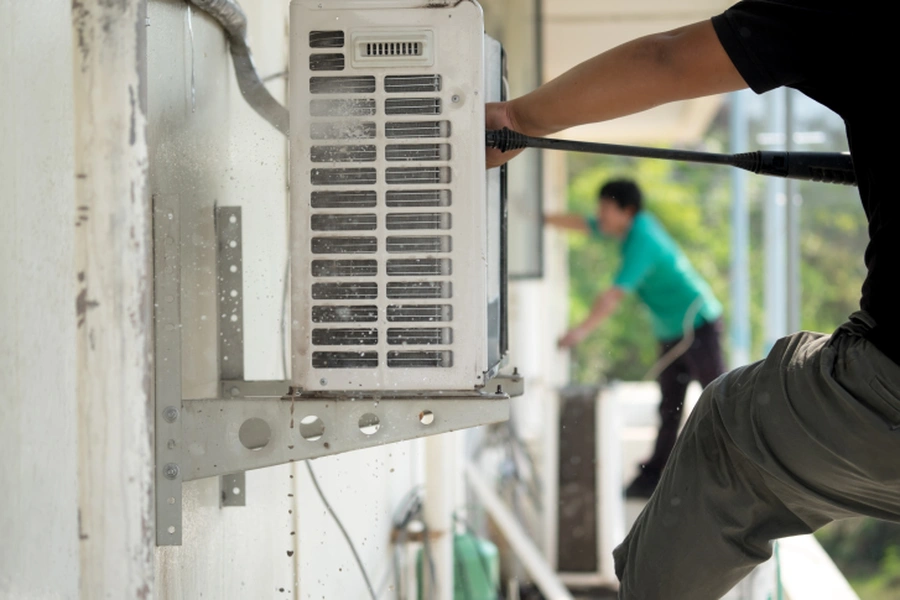
Why Early System Testing With Clear Data Matters
Accurate diagnostics guide every HVAC repair service decision from the start. Testing reveals hidden problems like weak airflow, faulty sensors, or electrical issues. These problems often do not show clear signs. Early data prevents part swapping that does not fix the root cause. It also reduces system stress. When issues get flagged early, repairs stay smaller and less costly. This approach protects both comfort and budget over time.
How Diagnostics Improve Accuracy With Each Repair Step
A reliable HVAC repair service relies on measured results, not assumptions. Diagnostics confirm what needs fixing and what does not. This protects good parts from removal and reduces labor time. It also helps match repairs to manufacturer specs. When data supports the fix, systems return to rated performance faster. You get heat or cooling that feels steady and dependable.
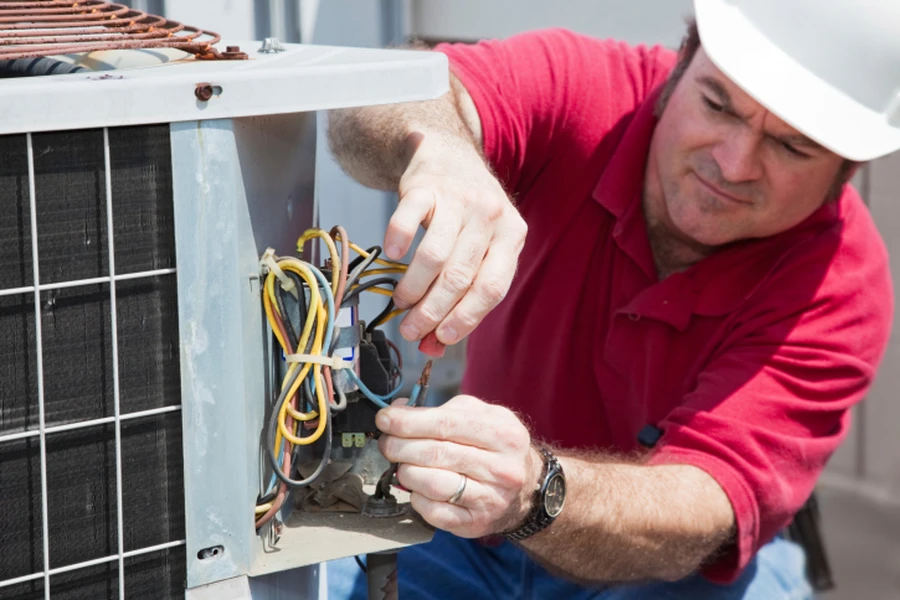
Key Benefits That Come With Proper Testing
Diagnostics offer clear advantages for system health and daily use. These benefits go beyond quick fixes and focus on lasting performance.
- Lower repair costs due to precise fixes
- Shorter downtime because problems get identified faster
- Better energy use through restored efficiency
- Longer equipment life from reduced system strain
Common Problems Found Through Diagnostic Checks
Many system issues stay hidden until testing begins. These problems often cause comfort loss and higher bills if ignored.
- Refrigerant leaks that reduce cooling strength
- Dirty sensors that send wrong signals
- Electrical faults that stop safe operation
- Airflow limits caused by blocked ducts
Step by Step Process Used During System Evaluation
Diagnostics follow a clear process to ensure accuracy and safety. Each step builds on verified results.
- Review system history and recent performance changes
- Test electrical and control components for faults
- Measure airflow, pressure, and temperature split
- Analyze results against equipment standards
- Confirm findings before recommending repairs
Best Practices With Ongoing System Care
Regular testing works best when paired with smart habits. These practices reduce surprise failures and improve comfort.
- Change filters on schedule to protect airflow
- Schedule seasonal inspections before peak demand
- Keep outdoor units clear of debris
- Track unusual sounds or temperature shifts
Industry Standards With Safety and Compliance
Diagnostics must follow safety rules and equipment standards. Technicians test within voltage and pressure limits set by manufacturers. Refrigerant handling follows EPA guidelines. Proper testing records also support warranty claims. When systems meet these standards, they operate more safely and predictably. Compliance protects both property and long-term system value.
Cost Factors and Long Term Value
Testing adds upfront cost but often lowers total spending. Accurate diagnostics avoid repeat visits and wrong parts. They also restore efficiency, which cuts monthly energy use. Over a system life, this produces strong return on investment. You pay for facts instead of guesses. That difference matters when systems age.
Making Confident Choices With Diagnostic Based Care
Located in Centerton, AR, we support informed decisions through detailed system testing. Caldera Heating and Air LLC believes strong diagnostics lead to steady comfort and fewer surprises. Call (479) 640-3376 to schedule an evaluation and plan repairs with confidence. We focus on accurate results, clear options, and long-term system care.