
Why Routine System Checks Help Homes Handle Heat and Cold
Seasonal weather shifts place heavy stress on heating and cooling systems. Extreme heat or cold pushes equipment to work longer and harder. Small issues can turn into major failures during these times. Many homeowners do not notice warning signs until comfort drops or energy bills rise. Early system checks help catch problems before peak demand hits. They also help improve comfort, safety, and energy use. Planning ahead gives you time to fix issues without rush fees or long wait times.
With Seasonal Preparation and System Awareness
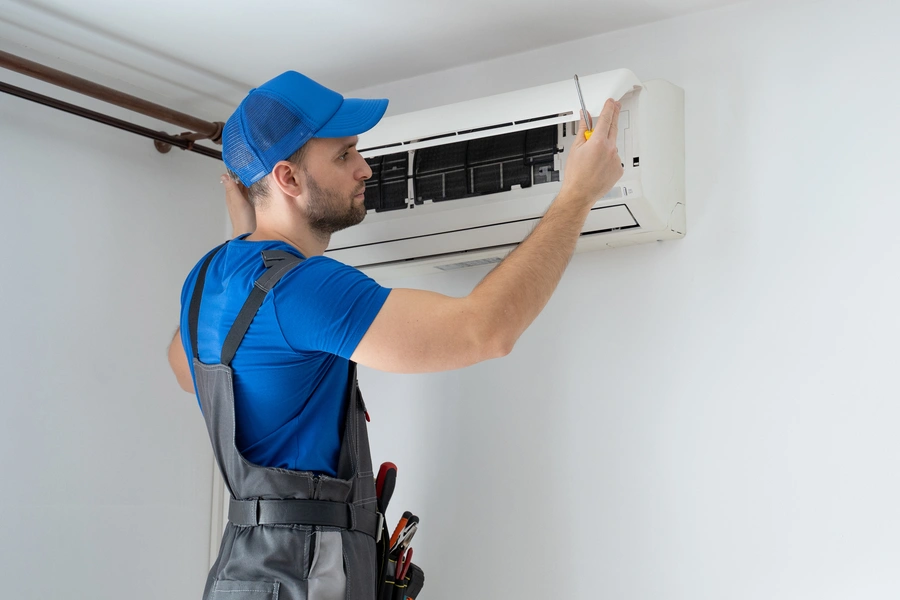
An HVAC inspection before a season change looks for wear caused by prior use. It checks parts that often fail during high demand months. Technicians review airflow, wiring, and safety controls. This process helps reduce surprise breakdowns when weather changes fast. Spring and fall are ideal times because systems are not under heavy load. Acting early helps avoid emergency calls and stress.
With Benefits That Support Comfort and Reliability
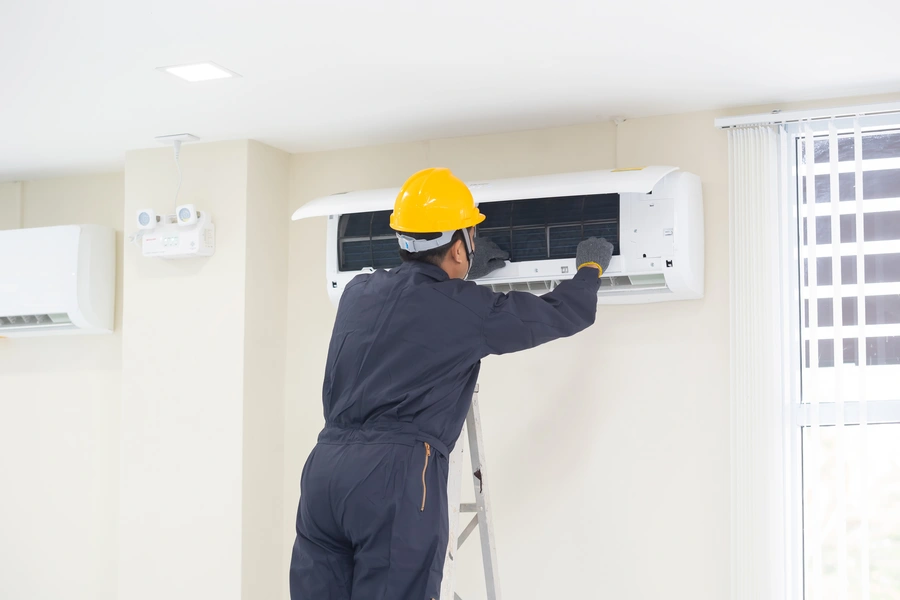
Another HVAC inspection offers clear benefits for daily living and long term system health. It helps systems run more smoothly when temperatures spike or drop. This reduces noise, uneven rooms, and weak airflow. It also helps protect indoor air quality by finding dirty filters or mold risk. Key benefits include:
- More consistent indoor temperatures
- Lower monthly energy bills
- Longer equipment lifespan
- Fewer sudden repairs during peak seasons
With Common Problems Found Before Weather Shifts
Season changes expose hidden problems that stayed unnoticed before. Hot weather often reveals weak fans or low refrigerant. Cold months can expose cracked heat exchangers or ignition trouble. Clogged drains and dirty coils also appear often. These issues reduce efficiency and raise costs. Catching them early helps prevent full system shutdowns when you need comfort the most.
With A Clear Process Professionals Follow
Technicians follow a step by step process during seasonal system checks. Each step targets parts most stressed by temperature swings. A standard visit often includes:
- Inspecting electrical connections for wear
- Testing airflow and thermostat accuracy
- Cleaning key parts like coils and drains
- Checking safety controls and startup cycles
With Best Practices Homeowners Should Know
You can support system health between professional visits. Simple habits reduce strain and improve performance. Experts suggest the following best practices:
- Change air filters every one to three months
- Keep outdoor units free of debris
- Seal visible duct gaps when possible
- Schedule service before extreme weather arrives
With Industry Standards and Safety Rules
Heating and cooling work follows safety and performance standards. Many areas require checks for gas leaks and carbon monoxide risk. Electrical parts must meet code rules for safe operation. Licensed technicians understand these requirements and test systems properly. Following standards protects your home and helps avoid legal or insurance issues after a failure.
With Cost Factors and Long Term Value
Seasonal system checks cost far less than emergency repairs. Prices vary based on system size and age. Older units may need more time and parts. Still, early service often prevents expensive replacements. Better efficiency also lowers utility bills over time. This creates a strong return through fewer repairs and steady comfort.
With Smart Planning and Professional Support
Preparing your system before weather shifts saves time and money. It also improves comfort when conditions change fast. Based in Centerton, AR, we help property owners plan ahead with reliable seasonal service. Caldera Heating and Air LLC focuses on detailed system checks that support safety and performance. Call (479) 640-3376 to schedule service and prepare systems for the next season.