
Clear Warnings That Show When Comfort and Safety Are at Risk
Your heating and cooling system works hard every day. It controls comfort, air quality, and safety. When something breaks, the signs often appear early. Many people miss these signs and face higher repair costs later. Strange sounds, weak airflow, and rising bills are common clues. These issues can point to a serious problem inside the system. Acting fast helps protect your home and budget. Knowing what to watch for helps you decide when expert help matters most.
Key Benefits With Acting Early on System Problems
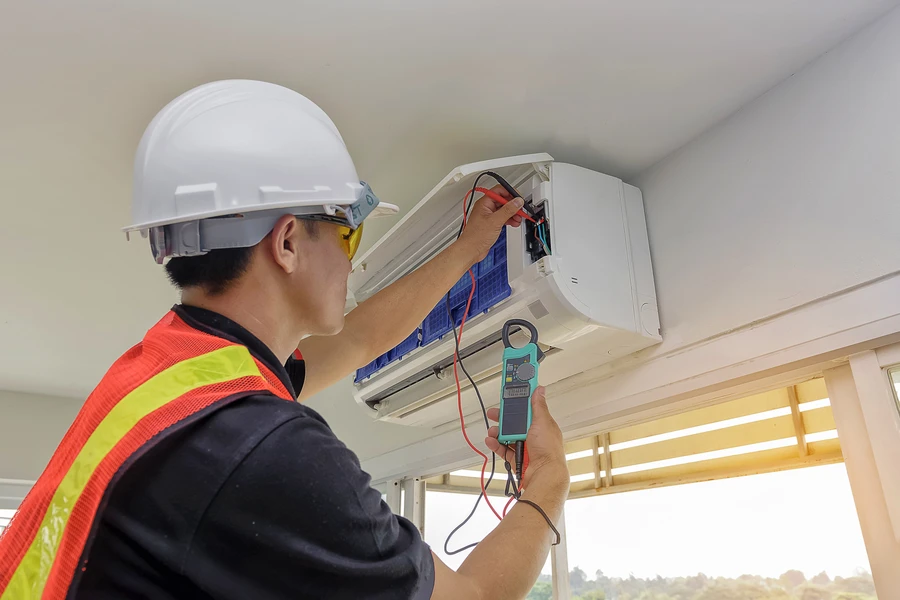
Fast action brings clear advantages for your home and wallet. A timely HVAC inspection can stop small issues from growing. This often leads to lower repair costs and fewer system failures. Early checks also help keep indoor air clean, which can reduce allergy symptoms. Many energy studies show that well-maintained systems can cut energy use by up to 15 percent. When parts work as designed, your system runs longer and more safely. This also reduces the risk of sudden breakdowns during extreme weather.
Common Warning Signs With System Performance Issues
Some problems appear again and again across many homes. A second HVAC inspection may be needed when warning signs become frequent or intense. These signs often affect comfort and safety at the same time. You should watch closely when changes happen without warning.
- Loud banging, grinding, or rattling sounds
- Warm air blowing during cooling cycles
- Cold spots in some rooms and hot spots in others
- Unusual odors coming from vents
- Energy bills rising without clear cause
How Fast Response With Clear Steps Protects Your System
Once warning signs appear, quick action helps avoid major damage. The goal is to confirm the cause before parts fail. A clear process helps you stay in control and reduce stress.
- Turn off the system if smells or sounds worsen
- Check the thermostat settings and power supply
- Inspect air filters and replace if clogged
- Look for visible leaks near the unit
- Schedule a professional system evaluation
Best Practices With Keeping Heating and Cooling Reliable
Ongoing care keeps problems rare and easier to manage. Experts recommend simple habits that improve performance and safety. These steps also help you spot changes early.
- Change air filters every one to three months
- Keep vents open and clear of furniture
- Listen for new sounds during each cycle
- Clean outdoor units from leaves and debris
- Track energy bills for sudden changes
Industry Standards With Safety and Performance Rules
Heating and cooling systems follow clear safety and efficiency rules. Federal guidelines set minimum efficiency ratings for units. Many states also require safe electrical and gas connections. Licensed technicians follow these standards during system checks. These rules protect you from fire risks, carbon monoxide leaks, and poor airflow. Staying within these guidelines helps your system run safely for years. Ignoring them can lead to fines, voided warranties, or health risks.
Cost Factors With Repairs and Long-Term Value
Costs vary based on system age, size, and damage level. Small fixes cost far less than full system replacements. Preventive checks often deliver strong return on investment. Homeowners who schedule regular evaluations often spend less over the system life. Energy savings also add up over time. Choosing early care usually costs less than emergency repairs during peak seasons.
Comparing Quick Action With Waiting Too Long
Choosing when to act affects comfort, safety, and cost. A simple comparison helps show the impact.
- Acting early: lower repair costs, safer operation, steady comfort
- Waiting too long: higher bills, sudden breakdowns, health risks
Next Steps With Professional Support
Located in Centerton, AR, we help homeowners protect comfort and safety year round. Caldera Heating and Air LLC focuses on clear communication and fast response times. We take a team-based approach to every system concern. Call (479) 640-3376 to schedule service and get reliable support when warning signs appear.