
How Modern Heating and Cooling Systems Reduce Energy Waste With Smarter Design
Older heating and cooling systems often waste energy without you noticing. They run longer, cycle more often, and struggle to keep steady comfort. This leads to higher utility bills and uneven room temperatures. New system designs focus on efficiency from the start. Updated parts, better controls, and cleaner airflow all play a role. Changing out an outdated unit can lower energy use while improving daily comfort. Understanding how this process works helps you make better choices for your home and budget.
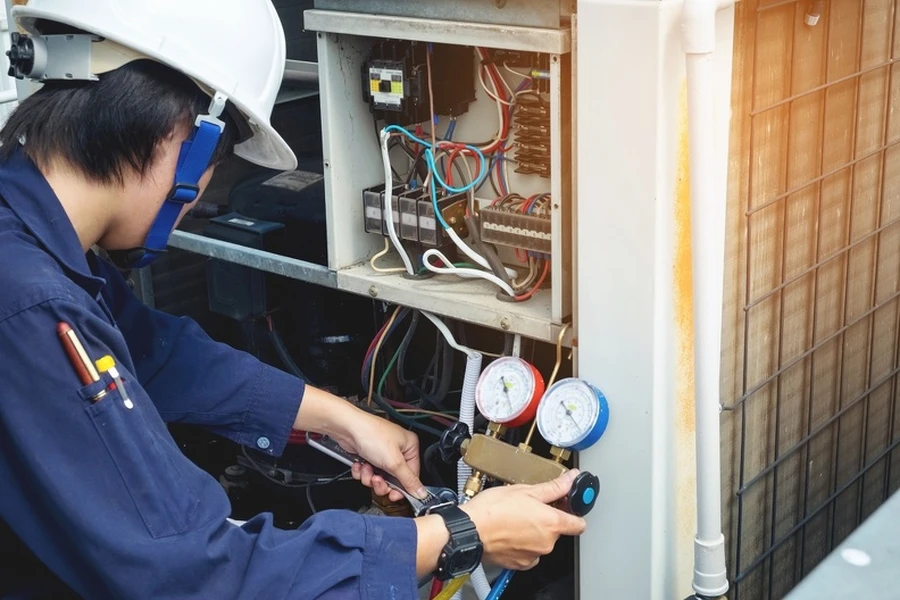
Why Aging Systems Use More Power With Daily Operation
As equipment ages, parts wear down and airflow drops. Seals crack, motors slow, and coils collect dirt. HVAC replacement solves these problems by removing inefficiency at its source. Older systems also lack modern sensors and controls. This causes frequent starts and stops that waste power. The result is higher monthly costs and more strain on the equipment. Newer systems use steady operation to maintain comfort with less energy.
Efficiency Gains From Updated Equipment With Improved Technology
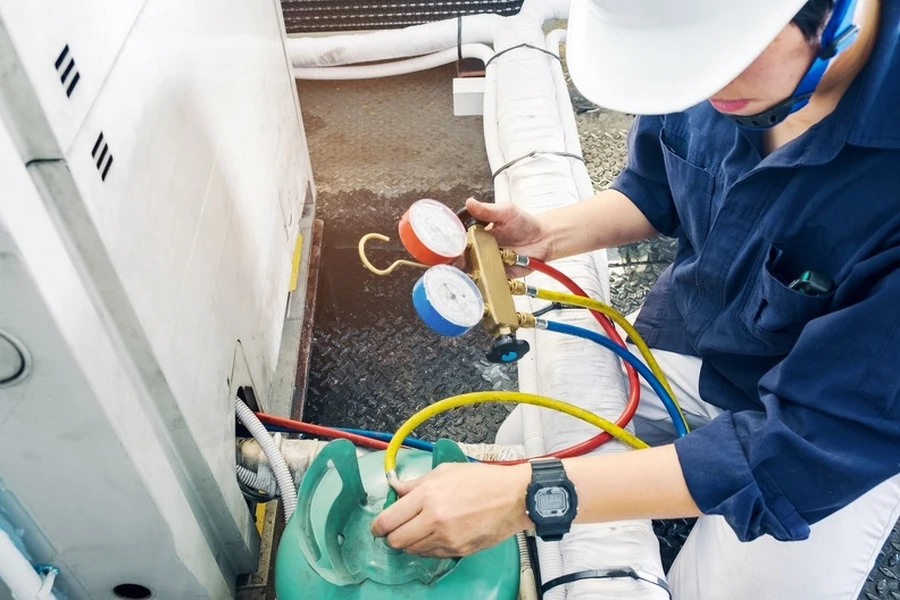
HVAC replacement brings newer technology designed to use less power. Modern units have higher efficiency ratings that measure energy use. Many systems now include variable-speed motors. These motors adjust output instead of running at full blast. HVAC replacement also supports smart thermostats that fine-tune temperature control. This combination reduces wasted energy while keeping rooms comfortable.
Key Energy Saving Features Found With New Systems
Modern heating and cooling systems include built-in features that directly reduce energy use. These updates focus on control, airflow, and heat transfer.
- Variable-speed fans that adjust to real demand
- Improved insulation around key components
- Advanced thermostats that reduce unnecessary run time
- Better coil design for faster heat exchange
Common Problems Homeowners Face With Outdated Units
Older systems create daily frustrations that go beyond high bills. Rooms can feel too hot or too cold. Systems may run all day without reaching the set temperature. Frequent repairs add stress and cost. Noise also increases as parts loosen with age. These problems often signal that the system can no longer work efficiently. Ignoring them usually leads to higher energy waste over time.
Steps Involved When Upgrading With Efficiency in Mind
Replacing a system follows a clear process to ensure real energy savings. Each step matters for long-term performance.
- Evaluate the home size and insulation levels
- Select equipment rated for energy efficiency
- Seal ductwork to prevent air loss
- Install proper controls and thermostats
- Test airflow and performance after setup
Best Practices That Protect Savings With Long Term Use
Even the most efficient system needs proper care. Following best practices keeps energy use low year after year.
- Change air filters on a regular schedule
- Keep vents clear of furniture and debris
- Schedule yearly system inspections
- Use programmed temperature settings
Industry Standards That Support Efficiency With Reliable Performance
Modern systems must meet national efficiency standards set by regulators. These standards ensure reduced energy use and lower emissions. Ratings like SEER measure cooling efficiency, while AFUE measures heating output. Higher ratings mean better performance per unit of energy. Choosing equipment that meets or exceeds these standards helps protect both comfort and budget. Compliance also ensures access to rebates in many areas.
Understanding Cost and Value With Energy Savings
Initial costs often worry homeowners, but efficiency changes the long-term picture. Lower energy bills add up each month. Fewer repairs reduce service expenses. Some upgrades qualify for tax credits or local incentives. Over time, these savings close the gap between old and new systems. The value also shows when selling a home with efficient equipment already installed.
Planning Your Next Step With Professional Guidance
Making the right choice starts with expert help. Located in Centerton, AR, we understand local weather demands and home styles. Caldera Heating and Air LLC helps homeowners choose systems that cut energy waste and boost comfort. We focus on proper sizing and clean installation. Call (479) 640-3376 to discuss options and plan a smart upgrade that supports lasting efficiency.